Steel Wheels, Show Plaques and the Sunday Drive Dilemma
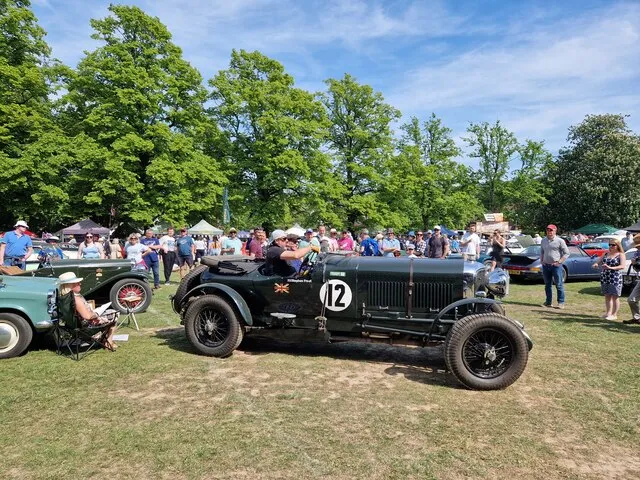
Photo: Basher Eyre , CC BY-SA 2.0, via Wikimedia Commons
At any decent UK classic show you will find two versions of the same car parked twenty feet apart. One sits on original steel wheels and gleaming hubcaps, looking as though it has just been lifted from a period brochure. The other wears a set of Minilites, perhaps a touch wider than standard, and looks ready for a brisk A-road run. Both owners will tell you they have made the right choice. Both are probably correct, which is what makes the steel-versus-Minilite question so slippery.
The real issue is not which wheel looks better. It is what you want the car to do. A restored classic can be a concours exhibit, a weekend toy, a wedding hire car or a rolling restoration that gets used through the year. The wheel choice should follow that purpose, not the other way around.
What Concours Judges Actually Reward
Strict originality classes tend to favour what left the factory. If your car was built on steel wheels with hubcaps, a set of Minilites may be a period-correct upgrade but it is still an upgrade. Judges who know the model will spot it, and in a tight class that can cost you points. The same goes for wheel finish, tyre size and the little details that separate a good restoration from a great one.
That said, many UK shows run modified or period-modified classes where Minilites are not merely tolerated but expected. The wheel has genuine competition heritage, and plenty of cars were converted when they were mere secondhand motors rather than cherished classics. If you are entering a car, read the class rules before you read the wheel catalogues. If you are not entering, the judging standard matters far less than you might think.
The Resale Reality
Buyers are split down the middle. The originality crowd will pay a premium for a car on correct steels with a tidy set of hubcaps, especially if the wheels are date-stamped and the spare matches. The driving crowd will often prefer Minilites because they open up better tyre choices and look the part. Neither group is wrong, but you should know which buyer you are likely to attract.
The sensible move is to keep both sets if you can. Original steels stored in the garage add credibility to a sale, while Minilites on the car add appeal to anyone who intends to use it. A car with its original wheels included is a far easier sell than one where the owner has to say, vaguely, that the steels went missing years ago.
Insurance and the Paper Trail
This is the bit that too many owners skip. Minilites are a modification, even if they are period-correct. Your insurer needs to know. Some will be entirely relaxed about a set of period alloys; others will want details of size, offset and tyre specification. The premium may not move at all, but an undeclared wheel change is exactly the sort of thing that can complicate a claim.
Steel wheels are simpler because they are usually original equipment. That does not mean you can ignore condition. A rusty steel wheel with a cracked hubcap clip is still a safety concern. Keep receipts for refurbishment, keep photographs of the car before and after, and if you switch between sets, tell your insurer which wheels are on the car and when. Agreed-value policies often reward this sort of diligence.
The Tyre Question
Modern tyre availability is where the argument often turns practical. Many 13-inch steel wheels sit in a narrow range of widths, and the choice of quality rubber in those sizes has been shrinking for years. Minilites, particularly in wider fitments, can open up a broader selection of tyres without forcing you into something that looks like a spacesaver.
But wider is not automatically better. A classic with modest power and a softly sprung chassis does not need huge rubber. Over-tyring a light car can make it feel wooden in the wet and heavy at low speed. The right Minilite width is the one that suits the car, the arches and the way you drive it, not the one that looks most aggressive in a photograph.
How It Feels Behind the Wheel
Steel wheels have a certain give to them. On a bumpy B-road they can feel more forgiving than a stiff alloy, and the extra unsprung weight is not always the disadvantage enthusiasts claim. Hubcaps may rattle over rough surfaces, but a well-sorted steel wheel and decent tyre can be surprisingly pleasant.
Minilites tend to sharpen things up. Reduced weight at each corner helps the suspension react more quickly, and the steering can feel more direct. The trade-off is that you may notice more of the road's imperfections, especially on a car with tired bushes or old dampers. If your classic is still on original suspension, fitting Minilites can expose weaknesses that the steel wheels were quietly masking.
The Practical Middle Path
For many owners, the answer is two sets. Steels and hubcaps for shows, Minilites for fast road runs and track days. It sounds indulgent, but a second set of wheels takes up less space than most people imagine, and swapping them is a straightforward job with the right torque wrench and a bit of patience.
The catch is storage. Steel wheels are heavy and hubcaps are easily damaged. Minilites need clean, dry storage to keep their finish. If you go down this route, label the wheels, bag the hubcaps and keep a note of which set has which tyres. Future you will be grateful.
A Verdict for Drivers
If you actually drive your classic, Minilites are usually the more sensible choice. They suit the car, they open up tyre options and they have the kind of motorsport pedigree that makes them feel right on a British B-road. If you are chasing concours success, keep the steels and enjoy the smug glow of originality.
But do not let either choice become an excuse. Originality is not a substitute for safe tyres, and a period-correct upgrade is not a licence to ignore insurance. The best wheel is the one that matches how you use the car, is declared properly and is maintained with a bit of care. Everything else is just showground conversation.