Forest Stage Default: How Minilite Became British Rallying's Clubman Wheel
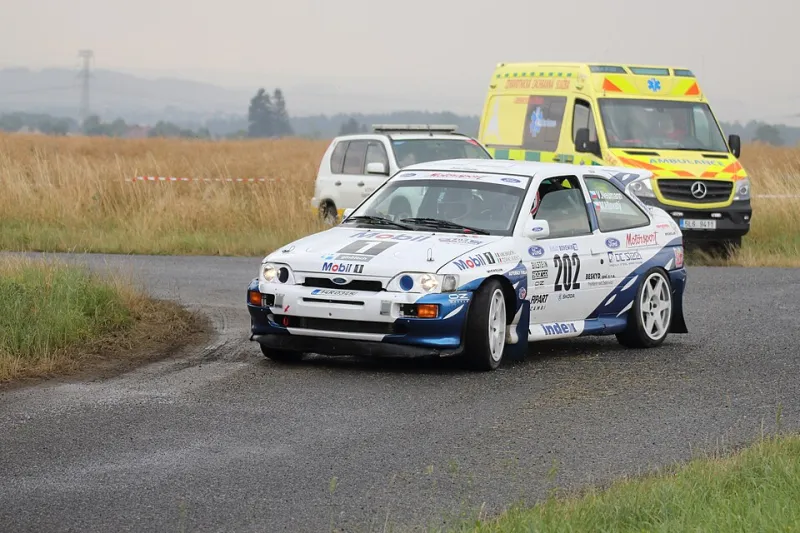
Photo: Miloslav Rejha, CC BY 4.0, via Wikimedia Commons
Walk through any historic rally paddock in the UK and you will see them: silver, eight-spoke wheels poking out from under Escort arches, Mini wings and Sunbeam bodywork. Minilite wheels are so familiar in British rallying that they can seem inevitable. They were not. Their place in the sport was earned in muddy service parks, on forest tracks and in the hands of clubman crews who needed a wheel that would take a beating and still get them home.
The works teams had the exotic stuff. The privateer had a tow bar, a trailer and a set of Minilites. That is the story worth telling.
From circuit paddock to forest track
Minilite's early reputation was forged in circuit racing, where light weight and stiffness mattered. Rally crews noticed. In the 1960s and 1970s, British rallying was expanding beyond the traditional road events into the forests, and the wheel became part of the uniform for a certain kind of car: small, simple, rear-wheel drive and easy to repair at the side of a stage.
The appeal was not just looks. A Minilite was lighter than a steel wheel, strong enough for gravel and available in the sizes that mattered. It also fitted the brakes and suspension of the most popular clubman cars. That combination made it a default choice long before 'heritage' was a word used in rallying.
Why the privateer chose Minilite
A clubman rally programme is a exercise in compromise. You want performance, but you also want to finish. You want a car that looks right, but you cannot afford to replace expensive wheels every time you clip a bank. Minilite sat in the sweet spot.
The wheels were available in the common British fitments, they cleared period brakes and they could be swapped between cars. A crew with a Mk2 Escort could carry a spare Minilite and know it would fit the front or rear. That sounds basic, but on a wet forest stage it is the difference between a quick wheel change and a retirement.
Forest stages are brutal on wheels. Ruts, logs, rocks, jumps and the occasional unexpected ditch all send shock loads through the rim. A wheel that can take a knock and keep the tyre seated is worth more than a fragile exotic. Minilites were not indestructible, but they were tough enough, and they were repairable. In the days when a rally could be won or lost in the service park, that mattered.
The cars that made the picture
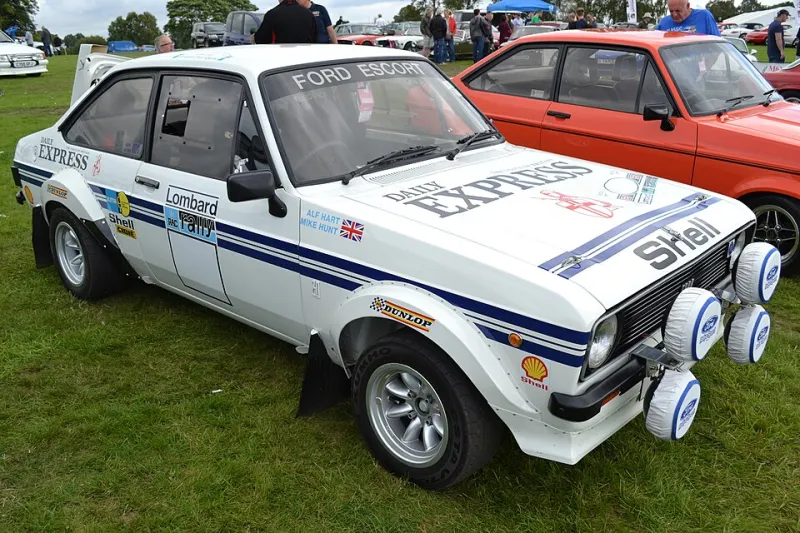
The Ford Escort Mk1 and Mk2 dominate the image. A Mk2 Escort in a plain colour, sitting on silver Minilites with a set of spotlights and a sump guard, is the shorthand for British clubman rallying. The combination is so strong that it is almost a cliché, but it is also accurate. Escorts were everywhere on forest events because they were cheap, strong and well supported.
Minis, Sunbeam Imps, Hillman Avengers, Vauxhall Chevettes and Talbot Sunbeams all had their moments on Minilites. The wheel crossed classes and marques in a way that few others did. It was not just a Ford thing, although Ford made it famous.
On the Lombard RAC Rally, the long forest sections rewarded cars that could survive. Privateer entries often ran Minilites because they were the practical choice. The works cars might have had trick wheels, but the clubman entry in the car park was often on Minilites, and that is what spectators remembered.
Identifying a period-correct set today
If you are building a historic rally car or restoring a period Clubman, the wheel matters. Not every old eight-spoke is a period Minilite, and not every modern Minilite is a replica of the original. The details tell the story.
Look for cast markings, date stamps and the spoke profile. Period wheels often have a slightly different finish and machining marks from modern reissues. Check the rim width and offset stamp. A wheel that has been widely refurbished may have lost its markings, so ask about its history. If the seller claims a rally provenance, ask for photographs, entry lists or service records. Provenance is nice, but condition is more important.
Magnesium wheels need careful inspection. They are light, but they can corrode and crack. Have them crack-tested and checked for runout before you use them in anger. Aluminium wheels are more forgiving, but they can still be buckled or badly repaired. Look for weld repairs around the rim and spoke roots. A cheap set of period wheels can become expensive very quickly if they need specialist repair.
Also check the wheel nuts and studs. Period rally cars often used different nut designs, and a set of wheels without the correct fixings is a problem waiting to happen. If you are mixing wheels from different sources, make sure the tapers match.
Building the look without building a museum piece
A period-correct rally look is not about fitting the most valuable wheels you can find. It is about getting the details right. Silver Minilites, a sensible tyre size and a car that sits at a realistic ride height will look more authentic than a set of immaculate wheels on a car that has been over-restored.
For forest-stage style, a 165/70R13 or 175/70R13 tyre on a 13x5.5 or 13x6 Minilite is the classic combination. The exact choice depends on the car and the class you are building to. Do not over-polish the wheels. Period rally cars were working machines, and a little patina is part of the story.
Minilite's rally heritage is not just a list of famous drivers. It is the clubman who fitted a set in a cold garage the night before the RAC, the service crew who hammered a bent rim straight, and the spectators who watched a silver-wheeled Escort come through the forest. That is why the wheel still feels right on a British forest stage today.