Scuffed, Stamped and Still Right: The Case for Keeping Tired Minilites
Patina is a lovely word until it is hiding a crack. That is the awkward truth at the heart of the Minilite restoration debate. One owner sees a wheel with fifty years of stone chips and wants to keep every mark; another sees the same wheel and reaches for the blasting cabinet. Neither is automatically wrong, but the decision deserves more thought than a quick look at the classifieds.
Why original finish matters
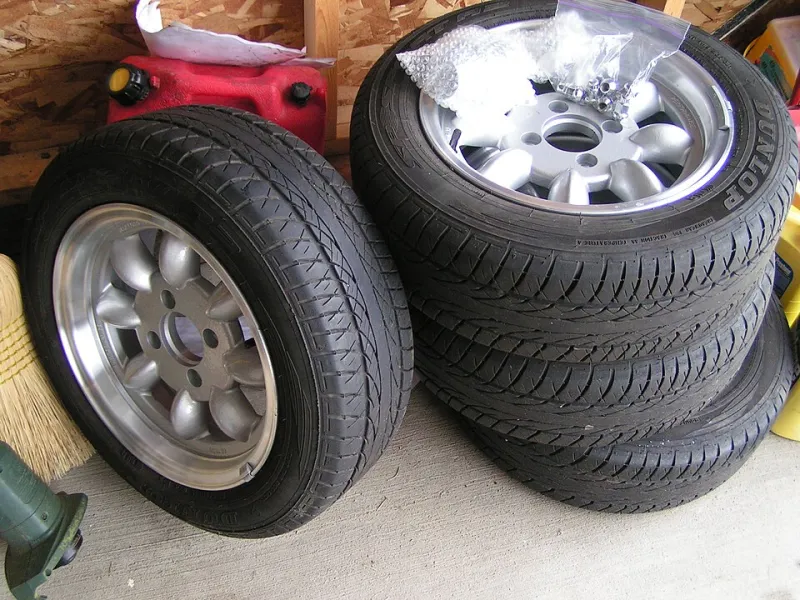
Minilites have been part of British club motorsport for so long that originality now means something. Early wheels can carry casting marks, date codes and a particular finish that is hard to replicate. A factory-style painted centre with a polished rim is not the same as a modern powder-coated wheel, even if it looks similar from ten feet away. In the concours and club scene, a genuinely original wheel with honest wear can be more interesting than a perfect reproduction. That does not mean every scuffed wheel is valuable. It means you should identify what you have before you remove the evidence.
The case for preservation
Sympathetic preservation suits a car that is used, not exhibited. If the wheels are structurally sound, round and free from cracks, there is a lot to be said for cleaning them, treating any corrosion and leaving the finish alone. A light clean with a pH-neutral wheel cleaner, a soft brush and a coat of wax can make a tired wheel look cared for without erasing its history. Touch in small chips with matched paint if you want to slow corrosion, but avoid a full strip and polish if the original finish is still mostly there. The car keeps its character, you keep your money, and you avoid the risk of a refurbishment revealing a bigger problem.
The case for a proper refurbishment
There is a point where preservation becomes neglect. Corrosion around the bead seat, cracks radiating from the spoke roots, heavy kerb damage or a wheel that will not balance are all reasons to stop polishing and start assessing. A proper refurbishment — stripping, inspection, crack testing, repair where appropriate, and a correct finish — can add years of safe service. It can also make a car look sharper for a wedding, a show or a sale. The catch is that refurbishment is only as good as the person doing it. A cheap blast and powder coat can hide damage and leave you with a wheel that looks lovely and is no safer than before.
What original actually means
Not every wheel sold as original is original, and not every original Minilite is rare. Minilite-style wheels have been made by many companies over the decades, and the market is full of lookalikes. Look for cast markings, stampings and any date code. Check whether the wheel is magnesium or aluminium; early magnesium wheels have different repair and inspection needs. Original finish is also a minefield. A wheel that has been polished and lacquered may look period-correct, but it may not be how it left the factory. If originality matters to you, photograph the markings before any work and ask a specialist before you let anyone near them with a grinder.
A practical framework
Start with safety. Any wheel with cracks, severe corrosion, a bent rim or repeated balance problems goes to the inspection pile, not the polishing pile. Next, consider rarity and originality. A common wheel with heavy damage is a straightforward refurbishment candidate; a rare early wheel with original finish deserves a second opinion. Then think about the car's role. A concours car may justify a full restoration; a weekly driver may be better served by a clean, safe set with honest patina. Finally, be realistic about budget and time. A full refurbishment is not cheap, and a rushed job often looks worse than a well-kept original.
The middle path
For most owners, the answer sits between the two extremes. Keep the original finish if it is sound, fix the safety issues and accept that a few stone chips are part of the story. If you do refurbish, ask for photographs of the stripped wheels and specify the finish you actually want. Keep the original centre caps, nuts and any markings. And if you are unsure, clean the wheels, fit good tyres and live with them for a season. The right decision usually becomes obvious once you have driven the car properly — and once you know what is actually underneath the dirt.