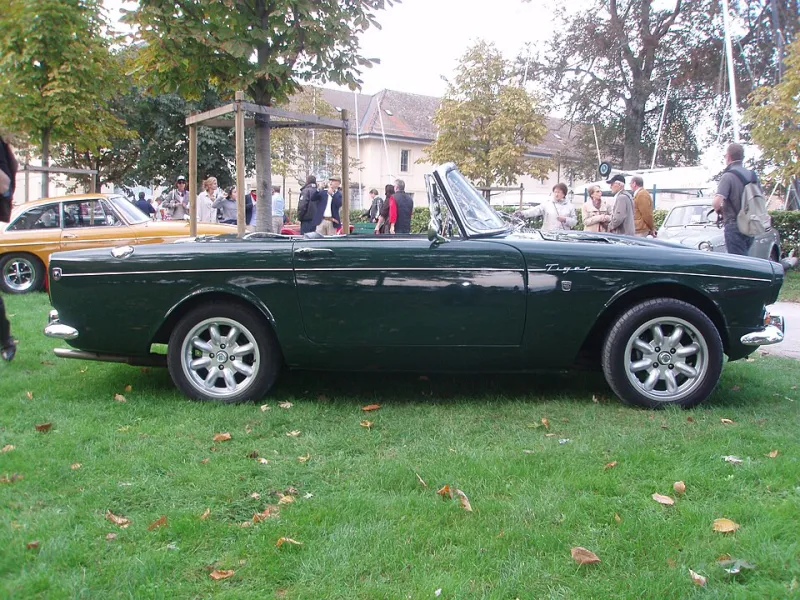
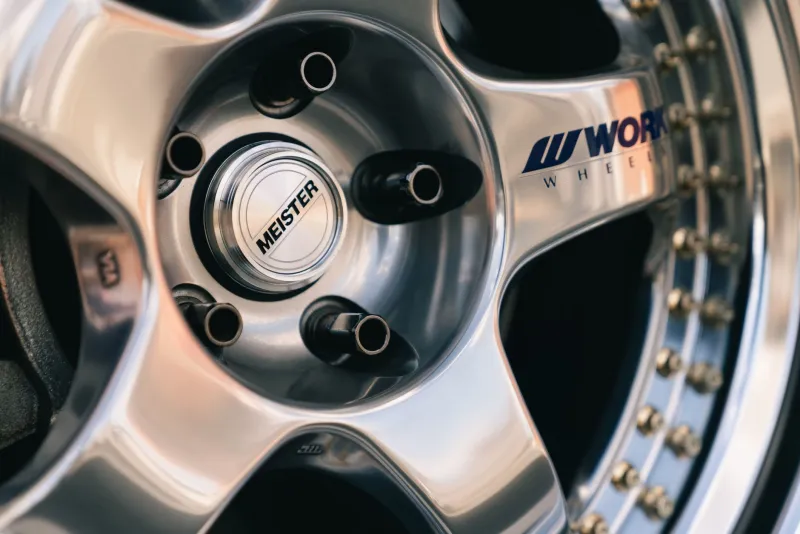
The Four-Digit Secret: Age-Checking Tyres on a Minilite Classic
Tread Is Only Half the Story
A classic on Minilites can look immaculate after a wash and still be sitting on rubber that has quietly gone off. Low mileage is a comfortable thing to boast about at a Sunday meet, but it is not much comfort when a tyre has spent six summers hardening in the sun and six winters breathing garage damp. Tread depth is the easy measurement. Age is the one that catches people out.
The good news is that every tyre sold in the UK carries a date code. You just need to know where to look and what the numbers mean.
Where the Code Lives
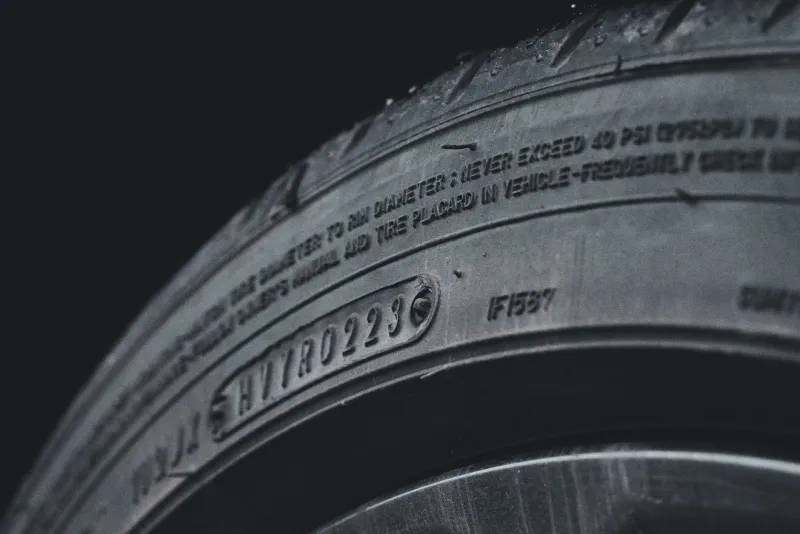
On the sidewall, look for the letters DOT followed by a block of characters. The final four digits are the ones that matter: two digits for the week of manufacture, two for the year. So a code ending 2321 means the tyre was built in week 23 of 2021. A code ending 0624 means week six of 2024. Simple enough once you have found it.
The catch is that the full DOT code is often moulded on only one side of the tyre. If you cannot find it on the outer face, have a look at the inner sidewall. That may mean getting the car up on stands or, on a tight classic, having a garage put it in the air. It is worth the effort. A tyre with no readable date code at all deserves suspicion, especially on a secondhand Minilite you have just bought.
Some older tyres use a three-digit code, where the last digit denotes the year within the decade. Those are genuinely old now and should be treated as suspect unless you have documentary proof otherwise. For anything made in the last couple of decades, the four-digit format is the standard.
Why a Low-Mileage Tyre Can Still Be Past It
Rubber is not inert. It contains oils and compounds that keep it supple, and those gradually migrate or evaporate over time. Sunlight, ozone, heat and repeated flexing all accelerate the process. A car that lives under a cover in a cool garage will age its tyres more slowly than one parked on a south-facing driveway, but neither car is immune.
Winter use adds another dimension. Salt and brine on UK roads are hard on wheels, but they also dry out sidewalls and encourage cracking at the shoulder. If your classic sees winter duty on Minilites, inspect the rubber closely each autumn rather than assuming the tread depth is the final word.
What you are looking for is not just obvious splits. Fine crazing between the tread blocks, a sidewall that feels harder than it should, or a faint blue-grey sheen can all suggest the rubber is past its best. A tyre that has been stored flat, stacked under weight, or left in a shed through repeated freeze-thaw cycles may have internal damage you cannot see. Age codes are your first filter, not your only one.
The Practical Age Rule
Most tyre manufacturers and safety bodies suggest that tyres be inspected carefully from around five or six years old and replaced by ten years old regardless of tread. That is a sensible framework for a classic that is used regularly. For a car that does big mileages on modern roads, the tread will often wear out first. For a low-mileage classic, the calendar will win.
A tyre dated 2016 is ten years old in 2026. Even if it looks clean and has 6mm of tread, it is living on borrowed time. It may be fine for a gentle run to the MOT station, but it is not the thing to rely on for a spirited B-road blast or a wet motorway trip.
Pairing Replacements Without Waste
Here is where Minilite owners often overthink it. If one tyre on an axle is aged out and the other is only two years old with good tread, replacing both feels wasteful. But mismatched rubber across an axle can upset balance and grip, particularly in the wet. The usual advice is to replace in pairs on the same axle, keeping the best of the old pair as a spare if it is still serviceable and fits your boot.
If the spare is a different size or a different make, do not treat it as a permanent fifth tyre. Use it to get home and no further.
When you do buy, check the date codes on the new tyres before they are fitted. Old stock can sit in a warehouse for a year or two, and while that is not automatically a problem, you should know what you are buying. A tyre made in 2024 is still new enough in 2026, but a tyre made in 2019 sold as new is not a bargain.
A Two-Minute Check Worth Doing
Next time you are crouched by a Minilite with a pressure gauge, spend another minute reading the sidewall. Note the four-digit code for each tyre, along with the make and size. Write it in the handbook or a note on your phone. When the tyres come up in conversation at the next owners’ meet, you will know exactly where you stand.
Tread depth keeps you legal. Age keeps you honest. On a classic that does not cover many miles, the second one matters more than most owners realise.