The Frosty Gauge Habit: Winter Tyre Pressures for Minilite-Shod Classics
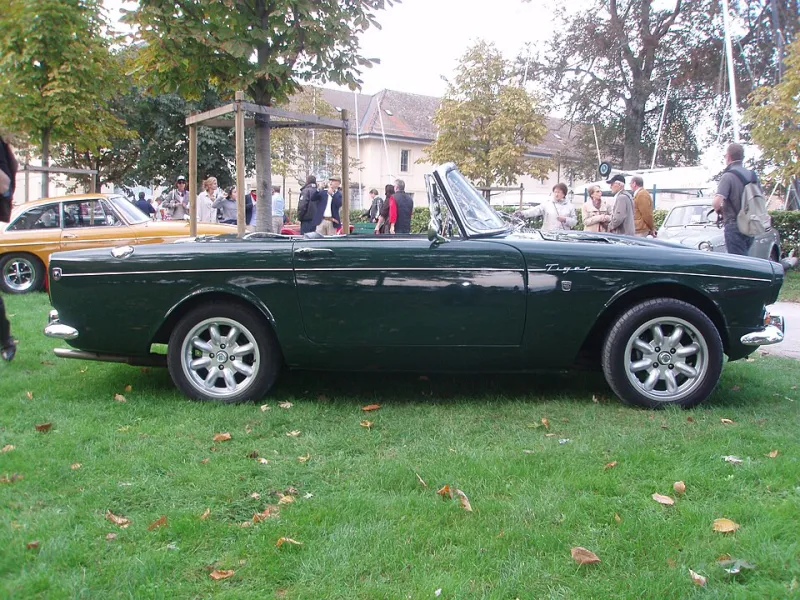
Photo: Akela NDE (talk), CC BY-SA 2.0 fr, via Wikimedia Commons
Cold mornings have a way of making a classic feel different. The gearbox is stiffer, the heater is hopeful rather than effective, and the tyres can look a little lazy in the first few miles. On a car wearing Minilite alloys, that last point deserves more attention than most of us give it. As we head into winter 2026, a ten-minute monthly pressure habit will do more for your wheels, tyres and confidence than almost any other job in the garage.
Why the gauge moves when the weather turns
Tyre pressure is not a fixed number. It is a relationship between air, temperature and load. As the mercury drops, the air inside the tyre contracts. A rough rule of thumb is that a 10°C drop can take around 1 psi out of a tyre, sometimes a little more depending on the starting pressure and how much rubber is wrapped around the rim. A classic that sat at a sensible pressure in September can look distinctly soft by the first proper frost.
The complication is that the pressure you see depends on when you check. A tyre warmed by twenty minutes of A-road running will read higher than the same tyre on a frosty driveway. Sun on one side of the car can skew things too. That is why the useful figure is the cold pressure: checked before a run, with the car settled, ideally in shade and after an overnight sit. Chasing a hot reading is a good way to end up underinflated when it matters.
Start with a gauge you actually trust
Most classic owners have a pencil gauge somewhere in the toolbox, usually behind a spare fan belt and a tin of ancient wax. They can be fine, but they can also be wildly optimistic. A decent digital gauge or a well-made dial gauge is a small investment. Choose one, learn how it feels on the valve, and use it consistently. Comparing three cheap gauges will only give you three different opinions and a headache.
Keep the gauge somewhere dry and not rolling around under a wet jack. Check the valve caps too. A missing cap is not a crisis, but grit in the valve core is an annoying way to lose pressure slowly. While you are there, look at the valve stems. Perished rubber is common on classics that spend more time parked than driven. If a valve looks cracked or the core hisses when you fit the gauge, sort it before it lets you down on a dark B-road.
The door-card figure is a starting point, not a commandment
Many older door cards and handbooks list pressures for crossply tyres or for bias-belted rubber that nobody uses now. Your Minilites may be wearing a modern radial with a different construction, different sidewall stiffness and a different recommended pressure. The original figure is still useful context, but treating it as gospel can leave a classic feeling vague or, worse, wearing its tread in the wrong places.
Use the handbook as a baseline, then check what the tyre manufacturer recommends for the size and load, and lean on the experience of owners who run the same combination. A sensible cold baseline, recorded in a notebook or on your phone, is far more valuable than a number remembered from a forum thread in 2011. Set it, drive it, and adjust only in small steps. For most classic Minilite applications, a pound or two either way is enough to change the feel; you are not tuning a racing car on a cold Tuesday.
The monthly routine: check before you drive
Pick a regular moment, perhaps the first weekend of the month, and check all four tyres plus the spare. Do it before the first run, not after. The car should have been sitting long enough for the tyres to be genuinely cold. If you have to move it out of the garage to get to the valves, push it or keep the movement to a few yards and accept that the readings are only a guide.
Write the numbers down. A simple log of date, ambient temperature and pressures will soon show whether one corner is drifting. That is how you catch a slow puncture, a weeping valve or a kerbed rim before it becomes a recovery truck story. Adjust pressures only when cold. If you must top up after a run, note that the tyre is hot and recheck the next morning rather than setting the final figure there and then.
Load, passengers and the winter weekend away
A classic with two people and a boot full of luggage is not the same as a solo driver on a dry Sunday. If you are heading away for a winter weekend, check the pressures with the load in mind. Many handbooks give a rear pressure for full load, and it is usually there for a reason. A little extra in the rear tyres can steady the car on a motorway run without making the steering feel wooden.
Do not go mad. Inflating beyond the tyre’s maximum or well beyond the handbook’s loaded figure is not a shortcut to safety. It simply makes the centre of the tread work harder and the ride harsher. If you are unsure, set a modest loaded pressure for the trip and return to your normal baseline afterwards.
Read the tread before winter reads your alloys
Pressure problems usually announce themselves in the tread. Overinflation tends to wear the centre; underinflation works the shoulders. Neither is instant, which is why a monthly look matters. Run your hand across the tread and compare inner and outer edges. If one tyre is scrubbing its shoulder, check the pressure first, then think about alignment and suspension bushes. A soft tyre on a potholed lane is also a pinch-flat risk, and a pinch flat can mean a damaged Minilite rim rather than just a ruined tyre.
Finally, if the car is going into hibernation, do not simply park it and forget the pressures. A slightly raised pressure can help prevent flat spots during long storage, but keep it within the tyre’s limits and reset to your normal cold baseline before the first proper drive of spring. The frosty gauge habit is not glamorous. It is, however, one of the cheapest ways to keep a set of Minilite alloys and their tyres honest through a British winter.