Before the Roller Comes Out: Solving Minilite Rear-Arch Contact Properly
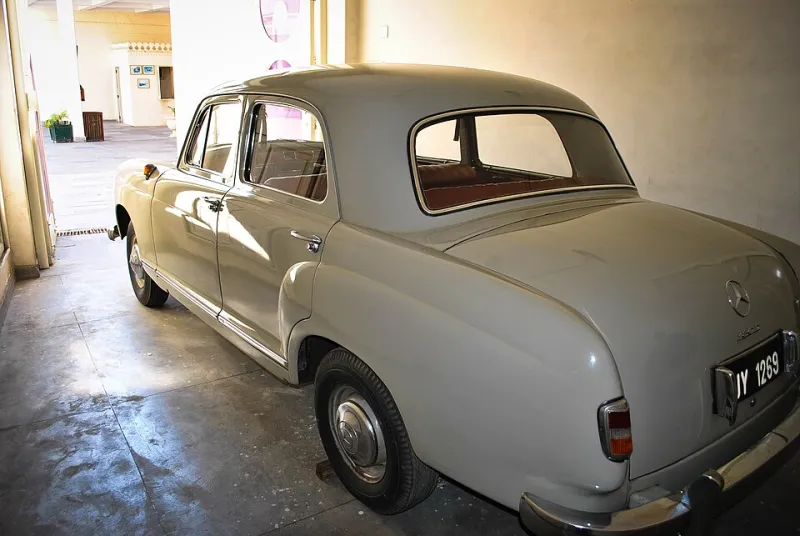
Photo: Schwiki, CC BY-SA 3.0, via Wikimedia Commons
A Minilite conversion is often sold as the easy upgrade: four wheels, a set of nuts, maybe a spigot ring, and you are away. Then you load the boot, turn into a sloping driveway, and hear the noise every classic owner dreads – a soft, rhythmic scrub from the rear arch. At that point the job stops being a wheel swap and becomes an arch-clearance question. The temptation is to book the car in for a rolling session before anyone has worked out what is actually touching what. That is the wrong order.
First, find the real contact point
Rear-arch rubbing is rarely a simple case of the tyre being too wide for the lip. It can be the tyre shoulder catching the outer lip under compression, the inner sidewall brushing a plastic liner, the tread edge fouling a folded seam, or even the wheel catching a brake line or exhaust section that has moved. Treat the noise as a symptom, not a diagnosis.
Clean the inner arch and the outer lip, then apply chalk or a strip of masking tape to the suspect areas. Load the car as it normally runs – driver, passenger, a full tank, the sort of clutter that lives in the boot – and drive slowly over a diagonal ramp, a speed hump or a sloping kerb entry where one rear corner compresses. Keep speeds low and avoid anything violent. Afterwards, inspect the witness marks. Repeat with a passenger in the back if that is a realistic load. Check both sides, because a classic with tired springs or a slightly offset axle can behave differently left to right.
Also check the static clearances with the car on level ground and the suspension settled. A finger-width gap at rest can disappear completely with two adults aboard and a boot full of tools. If you cannot see where the mark is, do not guess. A garage with a ramp and a bright torch will find it faster than a roller will fix it.
The smallest fix is usually the best fix
Before metal gets folded, revisit the basics. Is the wheel offset correct for the car? Is the tyre wider or taller than the original specification? Has the car been lowered, or are the bump stops missing or shortened? Is the axle located properly on its leaf springs or links? Sometimes a change of tyre profile, a correct-offset Minilite, a fresh set of bump stops or a modest ride-height correction solves the problem without touching the body.
Spacers have a place, but they are not a cure-all. Moving the wheel outboard can turn an inner liner rub into an outer lip rub, and it puts extra load on studs and bearings. If a spacer is part of the answer, it needs to be hub-centric where possible, matched to longer studs if required, and declared to the insurer. It is not a substitute for checking the actual contact point.
Rolling, trimming and the originality question
A gentle arch roll folds the inner lip upward, usually preserving the outer paint line if the panel is warmed carefully and the operator knows the car. It is the least visually invasive way to gain a few millimetres. A trim removes metal, creates an exposed edge and demands proper seam sealing, primer and paint. It can look neat, but it is a permanent change and it will follow the car through every future sale.
Plastic arch liners are a different matter. Trimming a liner is often reversible and low-risk, provided you are not cutting away protection from a known rust trap or leaving a sharp edge that can saw into a tyre. The same goes for minor clearance work on a plastic bumper bracket or a redundant bracket. The line to hold is simple: do not cut structural metal, do not remove seam welds, and do not let anyone attack a classic with an angle grinder because it is quicker than diagnosis.
Paint protection matters as much as clearance. Rolled lips need the seam sealer checked, the inner surface cleaned and a decent cavity wax or underseal reapplied. Trimmed edges need primer and paint, not a smear of grease and a prayer. If the work cracks the paint on the outer panel, you have bought yourself a paint repair and a rust risk. A proper operator will warm the panel, work gradually and inspect the finish afterwards.
What it means for MOT, insurance and resale
An MOT test is not a modification approval scheme. A tester is looking at roadworthiness: tyres fouling bodywork, sharp edges, insecure panels, damaged suspension and so on. A neatly rolled or trimmed arch is not automatically a failure, but a car that rubs its tyres under load, has a razor-sharp exposed lip or shows insecure body repairs can attract attention. Keep the arches clean, the edges sealed and the tyres clear. If the car is lowered or running non-standard wheels, make sure the tester can see that nothing is fouling or insecure.
Insurance is the bigger ownership reality. Most UK policies require you to declare modifications, and a wheel change plus arch work is exactly the sort of thing that can affect a claim if it has not been disclosed. Tell the insurer what has been done, keep photographs and receipts, and ask whether they need an engineer report or a specific note on the policy. It is dull paperwork, but it is cheaper than discovering a problem after an incident.
Resale appeal is where the arch-lip dilemma really bites. Buyers of classic cars are often forgiving of sensible period-style upgrades, but they are suspicious of bodged arches. A car with original lips and a documented, reversible clearance solution will usually be easier to sell than one with freshly cut metal and no explanation. If you do trim, photograph the before and after, keep the offcuts if they exist, and write down why it was done. Honesty sells better than a smooth sill and a mystery.
Living with the result
Once the car is clear, do not assume the job is finished. Recheck the witness marks after a week, then after a month. Clean grit out of the lip, keep the liner secure and watch for fresh paint cracks. If the rubbing returns with a passenger or a full boot, go back to the diagnosis rather than reaching for a bigger hammer. The best Minilite conversion is the one that keeps the wheel, the tyre and the arch on speaking terms without turning a classic into a project car.