Spinners or Bolt-Ons: The Real-World Choice for Minilites on UK Roads

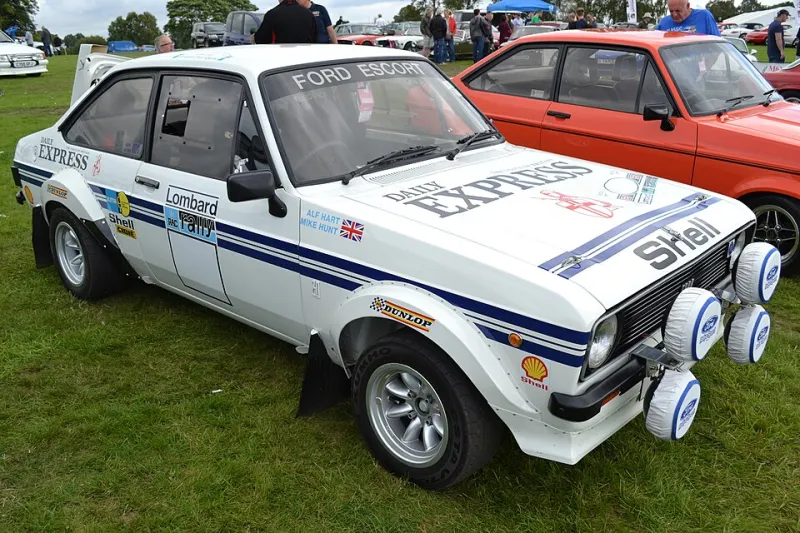
Photo: Richard Giles, CC BY-SA 2.0, via Wikimedia Commons
There is a particular sound a knock-on Minilite makes when you tap the spinner home: a dull, satisfying clunk that feels like half a century of club motorsport condensed into one hammer blow. It is also the point where a lot of classic owners discover that looking right and living right are not always the same thing.
On a show field, spinners win. On a wet Tuesday in November, with a puncture, a MOT booked for Thursday and a tyre bay that has never seen a splined hub, bolt-ons often start to look much more sensible. Neither is wrong. The trick is choosing for the car you actually use, not the car in the brochure.
Why the spinner question keeps coming up
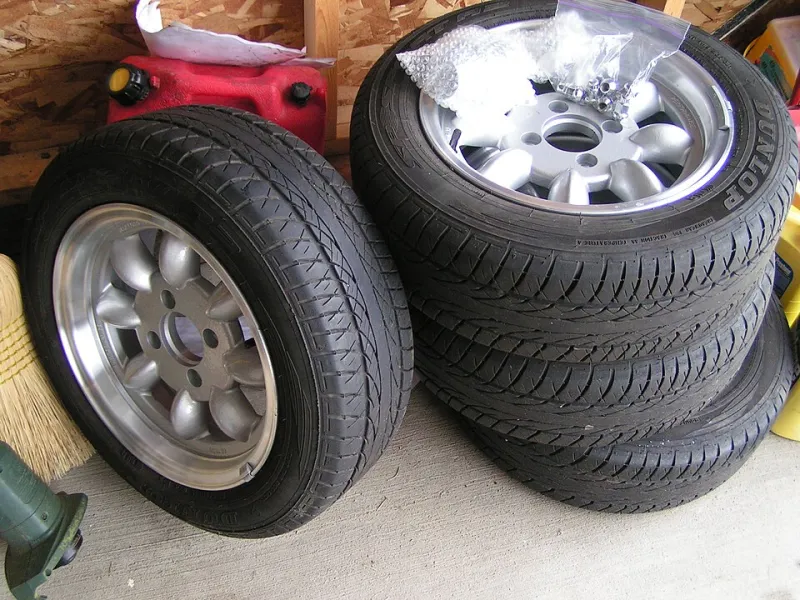
Minilite wheels sit at the centre of so much British classic activity because they suit almost everything: Minis, Escorts, MGs, Triumphs, Lotuses, Sunbeams and plenty more. Period cars arrived with either bolt-on or knock-on hubs depending on model and market, and Minilite supplied both flavours over the years. That means a 2026 owner can usually build the look they want either way, but the supporting hardware is very different.
A knock-on conversion is not just a wheel purchase. You need the correct splined hubs, matching spinners, the right thread handedness for each side of the car, and often a different spare or tool kit. Getting that wrong is not a styling issue. It is a safety issue.
Period correctness is not the same as practicality
If your car left the factory on knock-ons, there is a strong argument for keeping them. It is the honest specification, it looks right, and the ritual of checking spinners is part of the ownership experience. Owners of MGBs, Triumph TRs and Lotus Elans will know the drill: lead hammer, wood block, correct spinner on the correct side, then check again after a few miles.
But period correctness has a cost in convenience. A bolt-on Minilite can be removed with the same wrench you carry for everything else. A spinner needs the right tool and a bit of care. If your car is a regular B-road car, a breakfast-club regular and a occasional trackday toy, that difference adds up.
Torque, safety and the weekly walk-round
The biggest mistake with knock-on wheels is treating them as fit-and-forget. They are not. Spinner torque should follow the hub and wheel manufacturer’s figure, not a random number from a forum. The handedness matters: the spinner on one side of the car should tighten in the direction of forward wheel rotation, and the opposite side should be the mirror of that. Swap them and hard cornering or braking can start to work the spinner loose.
Use a proper lead hammer or the recommended soft-faced tool, not a steel sledge. Check after the first 50 miles or so, then at sensible intervals. If you hear a new click or feel a shimmy, stop and investigate. Bolt-ons are not immune to trouble, but a torque wrench and a recheck after 50 miles are familiar routines for most owners and most garages.
MOT, insurance and the paperwork
The MOT does not specifically test whether your car has spinners or bolt-ons. It checks wheel condition, security and obvious defects. That does not mean anything goes. A wheel that is insecure, cracked or fitted with the wrong fasteners can fail, and an tester may flag a setup that looks plainly unsafe.
Insurance is the bigger adult conversation. Tell your insurer about a change from bolt-on to knock-on, or the reverse, because it is a modification to the wheel and hub assembly. Some classic policies are relaxed about period-style upgrades; others want details, photos and an agreed value. Do not assume that because Minilites were a period option, your specific conversion is automatically covered. In 2026, with agreed-value policies under more scrutiny, a five-minute phone call is cheaper than a disputed claim.
Theft risk and day-to-day security
A spinner is not a lock. Eared spinners can be removed with a hammer and the right technique, and a determined thief will not be slowed much by novelty. Bolt-on wheels can at least take locking wheel nuts, which are not perfect but are a useful deterrent. If you park on a street or in a shared garage, that matters.
There is also the small matter of tools. A knock-on car usually needs a hammer and spinner tool on board, plus a plan for a roadside puncture. Bolt-ons need a breaker bar, a jack and a spare that fits over the brakes. Neither is difficult, but one is more familiar to the average recovery driver.
Living with them: tyre bays, servicing and spontaneity
Most tyre fitters under 40 have never handled a knock-on wheel. That is not their fault, but it means you need to be the expert. Explain the handedness, supply the tool, and do not let anyone rattle a spinner on with an impact gun. Bolt-on Minilites are ordinary alloy wheels to a tyre bay, which is a huge practical advantage when you are away from home.
Servicing is similar. Brake work, wheel bearings, suspension refresh and geometry checks all become simpler when the wheels come off with a wrench. If you are the sort of owner who likes to tinker on a Saturday morning, bolt-ons remove a layer of ceremony.
The verdict
If your car was built with knock-ons and you enjoy the ritual, keep them. Learn the torque figures, check them properly and carry the right tools. They are part of the car’s character.
If you are converting a bolt-on car, or if your classic does high miles, winter use and regular tyre changes, bolt-on Minilites are usually the easier long-term choice. They still look right, they are simpler to live with, and they let you spend less time worrying about a spinner and more time driving. On a UK road car, that is often the most period-correct attitude of all.